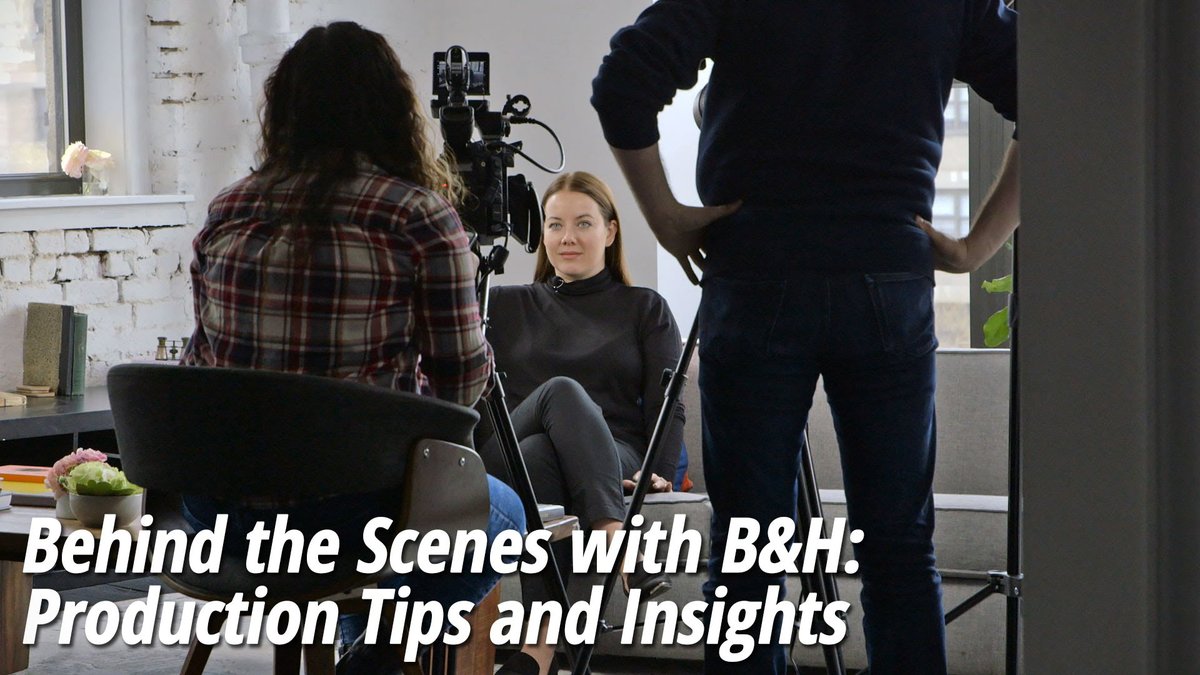
If you've ever found yourself glued to the screen, marveling at a story unfolding, you've witnessed a magic trick. But this isn't smoke and mirrors; it's the result of incredible artistry, relentless planning, and sheer human grit. Unearthing the real Production Insights & Behind-the-Scenes reveals the intricate dance that transforms a simple idea into a captivating cinematic experience. It’s a journey brimming with creativity, collaboration, and a fair share of beautiful chaos.
This isn't just about cameras and lights; it's about the hidden flow of ideas, resources, and human effort that culminates in the stories we cherish. Whether you're an aspiring filmmaker, a curious fan, or simply someone who appreciates complex projects, understanding this pipeline offers a profound appreciation for every frame.
At a glance: Your Map to the Filmmaking Journey
- Five Stages, One Vision: Every film or show moves through development, pre-production, principal photography, post-production, and distribution.
- The Maestro and the Orchestra: Hundreds of specialized roles, from producers to visual effects artists, work in concert.
- It's Not Always Glamorous: Days are long, challenges are constant—from weather to budget.
- Planning is Paramount: Thorough pre-production is the unsung hero, minimizing on-set headaches.
- Tech & Transparency: Digital advances and the rise of "behind-the-scenes" content are reshaping how stories are told and shared.
- Collaboration is King: No one makes a movie alone; seamless communication is the bedrock of success.
The Grand Blueprint: Decoding the Five Stages of Production
Imagine building a skyscraper. You wouldn't just start laying bricks. You'd need architects, engineers, blueprints, and a phased approach. TV and film production operates on a similar, meticulously orchestrated process, moving through five distinct yet interconnected stages.
The Spark of Development: Where Ideas Take Flight
Every cinematic journey begins with a spark. In the Development phase, that initial idea is fanned into a viable project. This is where writers craft compelling scripts, shaping characters and narrative arcs. Producers step in to secure financing, navigating the complex world of investors and studios. It’s about building the fundamental bedrock—the story, the budget, the initial creative vision—that everything else will stand upon. Think of it as mapping the very DNA of your future film or series.
Precision in Pre-production: The Unsung Hero of the Screen
Before a single frame is shot, an immense amount of planning takes place. Pre-production is where the blueprint truly comes to life. Scripts are locked, locations are meticulously scouted for visual impact and logistical feasibility, and the perfect cast is assembled through rigorous auditions. This stage also sees the birth of the film's visual world: production designers, costume and makeup departments, and art directors create detailed concepts, storyboards, and mood boards. Schedules are drawn up, down to the minute, and equipment—from cameras to cranes—is rented. The entire crew is assembled, often a small army of specialists. Producers, in particular, are juggling financial resources, ensuring the artistic vision aligns with practical, real-world constraints. This meticulous planning is often the difference between a smooth shoot and a logistical nightmare.
Lights, Camera, Action! Life During Principal Photography
This is the phase most people envision when they think of filmmaking: Production, or principal photography. Cameras roll, actors bring characters to life, and the director's vision begins to materialize on film or digital media. It's a high-energy whirlwind of activity. Scenes are meticulously "blocked" (planning actors' movements and camera positions), rehearsed countless times, and then captured from multiple angles.
On set, assistant directors (ADs) are the orchestral conductors, managing the intricate daily schedule from detailed call sheets. The grip and gaffer departments are rigging lights and cameras, shaping light and shadow to create mood. The script, once a static document, becomes a living, breathing story, constantly reinterpreted and refined by the director and cast. It's a demanding, high-stakes environment where every second counts. To get a glimpse into how complex even the early days of a major production can be, consider the careful groundwork laid for shows like The Next Generation Season 1, where an entire universe needed to be established while still hitting daily production goals.
Crafting the Masterpiece in Post-production
Once filming wraps, the magic truly begins to coalesce in Post-production. The raw footage—often tens, even hundreds, of hours—is handed over to the editors, who meticulously assemble scenes, ensuring continuity, pacing, and emotional impact. Sound designers layer in effects, from the subtle rustle of leaves to an earth-shattering explosion, while composers write original scores that underscore key moments, adding emotional depth.
Colorists work their own magic, adjusting color and tone to ensure visual consistency and enhance the film's mood. And then there are the visual effects artists, crafting elements that couldn't be captured during production—anything from fantastical creatures to entire digital cities. Voice-over artists and narrators often add their finishing touches here, giving the film its final voice. It's a stage of painstaking detail, where raw material is polished into a gleaming gem.
Bringing Stories to the World: The Distribution Debut
The journey doesn't end when the final cut is approved. Distribution is the critical stage that brings the finished work to its audience. This can mean a grand theatrical release, a highly anticipated streaming debut, or a wide television broadcast. Marketing teams and publicists jump into action, generating buzz, creating trailers, posters, and interviews to pique public interest. Distributors then work to place the film in cinemas, on streaming platforms, or through broadcasters, ensuring the story finds its widest possible audience. Without effective distribution, even the most brilliant film remains unseen.
The Unsung Heroes: Key Roles That Bring Vision to Life
Behind every memorable scene is a small army of dedicated professionals, each with a specialized skill set. Understanding these roles illuminates the collaborative nature of filmmaking.
The Visionaries: Guiding the Ship
- Producers: The ultimate orchestrators. They oversee the entire process from conception to delivery, balancing creative ambition with stark budgetary realities. They manage logistics, schedules, finances, and resources, acting as the project's strategic backbone.
- Writers: The foundational storytellers. They craft the narrative, dialogues, and character arcs, providing the blueprint for everything that follows.
- Directors: The creative leaders. They translate the script's words into vivid images, guiding both the creative and technical aspects on set. They work closely with actors to ensure compelling performances and ensure the overall vision aligns with their artistic interpretation.
The Architects of Sight & Sound: Shaping the Sensory Experience
- Cinematographers (Directors of Photography - DPs): These artists design the visual language of the film. They choose camera angles, lenses, lighting setups, and movements, defining the visual style and mood.
- Grip Department: The unsung heroes of camera movement and rigging. They handle all non-electrical equipment, building dollies, cranes, and intricate setups that allow cameras to glide, soar, or dive.
- Gaffer: The chief lighting technician. Working directly under the DP, the gaffer manages the lighting team, meticulously placing and adjusting lights to set the mood, enhance textures, and create the desired visual tone using light and shadow.
- Sound Mixers/Technicians: On set, these crucial individuals capture pristine dialogue, ambient noise, and other audio elements, ensuring every whisper and explosion is recorded with clarity.
The World-Builders: Crafting Immersive Environments
- Production Designers & Set Dressers: They are the visual architects. Production designers conceptualize and oversee all visual elements—set design, props, and overall aesthetic. Set dressers then meticulously arrange props and decor within these sets to bring the vision to life.
- Costume & Makeup Teams: These artists transform actors into their characters. From period clothing to fantastical prosthetics, they ensure characters look authentic, express their personality, and fit within the film's world.
The Orchestrators & Detail Masters: Bringing it All Together
- Assistant Directors (ADs): The logistical heart of the set. They orchestrate the daily schedule, manage call sheets, coordinate cast and crew, and ensure scenes are ready for shooting, keeping the production running smoothly and on time.
- Clapper Loader: A seemingly small but critical role. This person operates the clapperboard, which provides visual and auditory sync points for editing and identifies each take.
- Editors: The first storytellers in post-production. They assemble raw footage, cut scenes, and ensure continuity, pacing, and flow, transforming disparate shots into a cohesive narrative.
- Colorists: The final visual polishers. They adjust the color and tone of every shot, ensuring visual consistency across scenes and enhancing the emotional impact of the imagery.
- Sound Designers: Post-production audio experts. They create and add layers of sound effects, foley (everyday sounds), and ambient noise, building a rich, immersive auditory world that complements the visuals.
- Composers: The melodic architects. They write and record original music scores that underscore key moments, amplify emotions, and define the film's auditory identity.
- Visual Effects Artists (VFX Artists): These technological wizards use sophisticated software to create elements not captured during production, from realistic landscapes and historical settings to fantastical creatures and impossible phenomena, seamlessly blending them into live-action footage.
Life in the Trenches: A Day on Set Revealed
What does a typical day look like when cameras are rolling? It's far from glamorous for most and incredibly structured.
The day typically begins well before sunrise with a detailed call sheet distributed the night before, outlining who needs to be where, when, and for what. Assistant directors are already orchestrating the intricate dance, ensuring everyone knows their role. While actors head to makeup and costume to begin their transformation, the grip and lighting teams are already setting up intricate rigs, lights, and cameras for the first scenes. Production designers and their teams are making final adjustments to the environment.
Once the set is ready and the actors are in character, the director blocks scenes with the cast, mapping out movements, camera angles, and emotional beats. Rehearsals follow, refining performances and technical execution. When everything is in place, the AD calls for quiet, the sound team ensures microphones are perfectly positioned, the camera operator rolls, and the clapper loader steps in to slate the take. "Action!" calls the director, and for a brief, intense period, the magic happens.
After the shot, the director reviews the footage, giving feedback and deciding if another take is needed. This meticulous process repeats for each shot, each setup, and each scene throughout the day. Scheduled breaks are built in, but the rhythm is relentless, driven by the clock and the pursuit of capturing perfect performances and visuals. It’s a marathon of focus, problem-solving, and collaboration.
Navigating the Storm: Common Challenges in Filmmaking
While the finished product often looks seamless, the journey to get there is fraught with obstacles. Filmmaking is inherently a problem-solving exercise.
The Unpredictable Script of Reality
No matter how meticulous the planning, film sets are constantly battling unpredictability. Weather delays can wreak havoc on outdoor shoots, costing precious time and money. Technical malfunctions, from a camera glitch to a broken prop, can bring a shoot to a grinding halt. Last-minute script changes, whether from a creative decision or an unforeseen issue (like an actor's sudden unavailability), demand immediate adaptation from every department. Unexpected obstacles are simply part of the daily grind.
The Tightrope Walk of Time and Budget
Filmmaking operates under relentless constraints of time and budget. Every minute on set costs money, and every delay can spiral into significant financial pressure. Producers and directors are constantly making difficult decisions, balancing artistic vision with practical limitations. This often demands creative solutions—figuring out how to achieve a grand visual effect on a shoestring budget, or condensing complex scenes to meet a tight schedule. It's a constant negotiation between aspiration and reality.
The Human Element: Minds, Bodies, and Emotions
The film industry is powered by people, and that comes with its own set of challenges. The human factor involves immense emotional and physical demands on cast and crew, who often work grueling hours under high-stakes pressure. Long days, remote locations, and the intensity of creative collaboration can lead to fatigue and stress. Potential for disagreements and creative differences is high, necessitating superb communication, diplomacy, and a willingness to compromise for the greater good of the project. Building a cohesive team under pressure is a skill in itself.
Mastering the Craft: Principles for Production Success
Given the challenges, what separates a smoothly run, successful production from one plagued by issues? Several key principles stand out.
The Art of the Pivot: Adaptability & Problem-Solving
In filmmaking, rigid adherence to a plan often leads to disaster. Every crew member, from the gaffer to the script supervisor, must possess an inherent ability to adapt and problem-solve on the fly. When a light fails, a location falls through, or an actor can't nail a line, finding a quick, effective solution without compromising quality is paramount. It’s about viewing obstacles not as roadblocks, but as creative prompts.
The Symphony of Synergy: Collaboration & Communication
Filmmaking is the ultimate team sport. Hundreds of people, each a specialist in their field, must coordinate seamlessly. Open and honest communication between departments is non-negotiable. Directors need to clearly articulate their vision to DPs, who then communicate lighting needs to gaffers. Editors must understand the director’s intent, while VFX artists require clear briefs. Fostering trust and respect among all team members creates a supportive and efficient working environment, allowing the collective vision to flourish.
The Power of Planning: Investing in Pre-production
As emphasized earlier, thorough pre-production is the strongest defense against on-set chaos. The more detailed the storyboards, the more exhaustive the location scouts, the more precise the budget breakdowns, the fewer surprises will derail principal photography. Investing time and resources upfront in meticulous planning is the single best way to minimize challenges during filming and ensure the creative vision can be executed effectively.
Beyond the Credits: Building Lasting Relationships
The film industry is a close-knit community. Building strong relationships—with crew, cast, financiers, and distributors—fosters a supportive and efficient working environment. Trust, reliability, and a good reputation can open doors to future projects and smooth over inevitable bumps in the road. Many careers are built on repeat collaborations with trusted colleagues.
The Endless Reel: Continuous Learning
Each production, regardless of its scale or success, offers invaluable lessons. The best filmmakers and crew members approach every project as an opportunity to refine their craft and learn new techniques. From adopting new technologies to improving communication strategies or honing creative problem-solving skills, the pursuit of knowledge and self-improvement is continuous in this ever-evolving art form.
The Digital Canvas: How Tech & Trends Reshape Storytelling
The world of filmmaking is not static. Technology and evolving audience behaviors are constantly pushing the boundaries of what's possible and how stories are consumed.
The Tech Revolution: From Film to Pixels
Advances in digital technology have profoundly impacted every stage of production. Digital cameras offer greater flexibility, dynamic range, and cost efficiency than traditional film. Virtual sets allow filmmakers to construct elaborate environments without physical builds, saving time and money while expanding creative possibilities. Sophisticated editing software, advanced sound design tools, and increasingly realistic visual effects software have revolutionized post-production, enabling stories that were once impossible to tell. This technological shift has democratized filmmaking to some extent, making professional-grade tools more accessible, but it also demands new skill sets from crew members.
Pulling Back the Curtain: The Rise of Behind-the-Scenes Content
There's an undeniable human curiosity about how things are made. This desire for deeper connection has fueled the rise of behind-the-scenes content as a genre in itself. "Making-of" documentaries, set tours, cast and crew interviews, and blooper reels offer audiences a peek into the creative process. Social media and streaming platforms have amplified this trend, allowing creators to share glimpses of their work in progress, fostering a sense of community between creators and fans. This transparency humanizes the production process, turning anonymous crew members into recognizable contributors and deepening audience investment in the story and its creators. It’s an effective way to generate buzz, build anticipation, and showcase the immense talent involved in bringing a project to life.
Your Journey into the Storymaking Machine
From the nascent idea whispered in a writer's room to the global debut on a streaming platform, the journey of a film or television show is a testament to human ingenuity and collaboration. It's a world where artistic vision collides with logistical realities, where complex technology meets raw human emotion, and where every challenge is an opportunity for creative problem-solving.
Understanding these production insights offers more than just trivia; it deepens your appreciation for the art form itself. The next time you lose yourself in a story on screen, remember the thousands of decisions, the countless hours, and the dedicated individuals who meticulously crafted every single moment. Their hidden flow is the true magic behind the curtain.