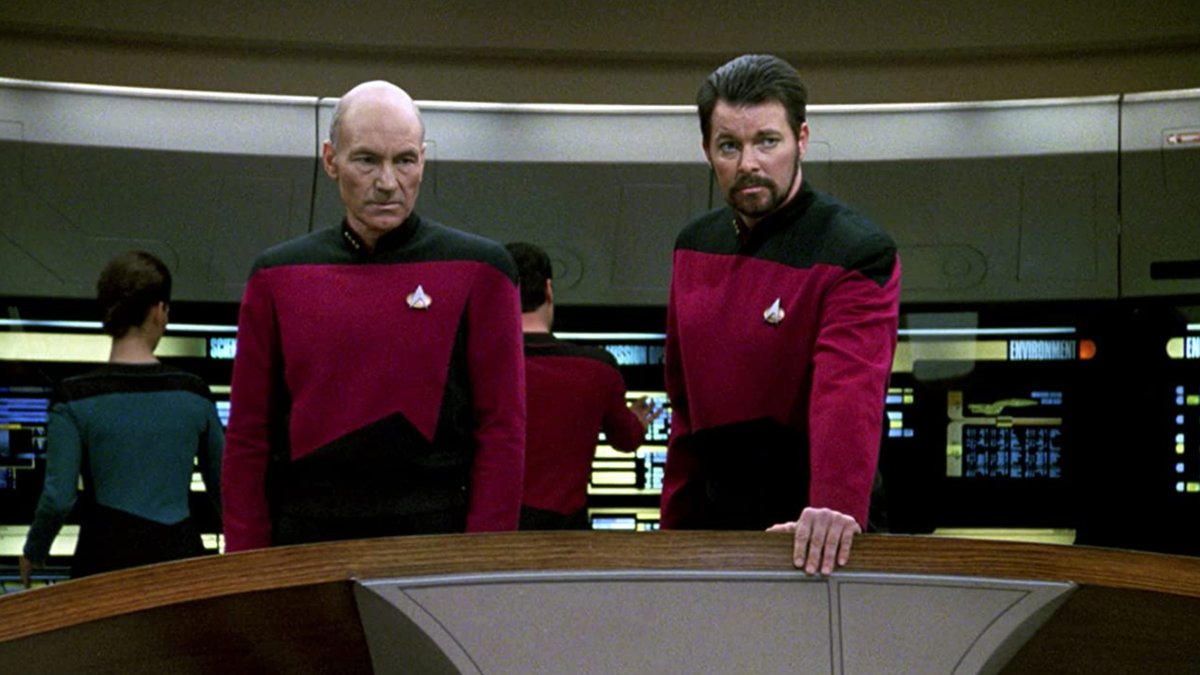
The universe is vast, full of wonders, challenges, and endless possibilities. Decades after Captain Kirk's legendary voyages, Star Trek once again invited us to explore the final frontier with Star Trek: The Next Generation. Season 1 marked a monumental return, introducing a new generation of adventurers aboard the magnificent USS Enterprise NCC-1701D, under the command of the iconic Captain Jean-Luc Picard. This inaugural season laid the groundwork for an 18x Emmy-winning legacy, redefining what it meant to boldly go where no one had gone before.
This super pillar hub serves as your ultimate guide to the thrilling beginnings of TNG, connecting you to every essential aspect of its foundational season. From the birth of beloved characters to the initial, often experimental, encounters that shaped the series, we'll navigate the early adventures that captivated millions.
The Dawn of a New Era: Boldly Charting the Unknown
Stepping into the shoes of the original series was no small feat, but Star Trek: The Next Generation boldly carved its own path. Season 1 plunged viewers into a future where humanity had matured, yet the galaxy remained as mysterious and perilous as ever. At its heart was Captain Jean-Luc Picard, a seasoned explorer and diplomat, leading a diverse and incredibly talented crew. The Enterprise-D, a marvel of Starfleet engineering, became our window into new civilizations and cosmic phenomena. Understanding these foundational elements is key to appreciating the entire saga, which is why we’ve built a dedicated guide to the pivotal early portrayals. Dive deeper into how each crew member was introduced and began their journey by checking out our comprehensive guide on Character Introductions & Development.
A Galaxy of First Encounters and Formative Challenges
Season 1 was a whirlwind of discovery, packed with 26 episodes that set the tone for the entire series. From humanity's trial by the omnipotent Q in "Encounter at Farpoint" to the chilling conspiracy unearthed in "Conspiracy," these early missions introduced us to the ethical dilemmas, scientific marvels, and interpersonal dynamics that would become TNG's hallmarks. We witnessed the crew grapple with everything from a consciousness-altering virus in "The Naked Now" to Picard’s agonizing choice regarding Wesley Crusher’s life in "Justice." Each adventure, though sometimes experimental, was crucial in defining the show's identity. To revisit every mission, understand their plots, and see how they contributed to the larger narrative, you can Explore Episode Summaries View the Full.
The season explored many enduring themes. Early episodes consistently tackled the Prime Directive, testing Picard’s resolve not to interfere with developing civilizations, even when faced with moral quandaries like the one in "Symbiosis." Other recurring concepts included humanity's ongoing trial by Q ("Encounter at Farpoint," "Hide and Q"), the exploration of artificial intelligence through Data and his "evil" twin Lore ("Datalore"), and the constant threat of unknown alien entities, as seen with Armus in "Skin of Evil" or the powerful entity in "The Last Outpost." To fully grasp the evolving narrative and the philosophical questions the series began to pose, it’s essential to Explore key themes and arcs.
Navigating Early Anomalies and Threats
- The Trials of Command: Picard frequently faced impossible choices, balancing Starfleet protocols with his moral compass. Episodes like "Justice" and "Symbiosis" highlighted the weight of command.
- The Enigma of Q: The introduction of Q established a powerful, often capricious, force that would challenge humanity's existence throughout the series.
- First Contact and Cultural Clashes: From the matriarchal society of Angel One to the strict customs of Rubicon III, the Enterprise constantly encountered diverse alien cultures, often leading to conflict.
- Technological Marvels and Misfortunes: The Holodeck malfunctioned spectacularly in "The Big Goodbye," while advanced propulsion experiments went awry in "Where No One Has Gone Before," showcasing both the promise and peril of future tech.
The Initial Reception and Lasting Impact
Launching a successor to such an iconic series was bound to generate intense scrutiny. Season 1 of Star Trek: The Next Generation faced the challenge of living up to enormous expectations while forging its unique identity. Early episodes were met with a mix of enthusiasm and skepticism as audiences adjusted to a new cast, a new ship, and a slightly different vision of the future. Despite some initial creative bumps, the season quickly demonstrated its potential, introducing characters and concepts that would become cornerstones of science fiction. The sheer ambition and the high-minded ideals resonated deeply, laying the groundwork for the show's eventual critical acclaim and massive fan following. For an in-depth look at how the series was first received and how those early reactions shaped its trajectory, Berikut beberapa opsi: Explore reception and the critical and fan responses.
Behind the Scenes: Crafting a New Star Trek Universe
Bringing the Enterprise-D and its crew to life required immense creativity and technical innovation. Season 1 was a period of intense experimentation, from designing the sprawling sets of the new starship to conceptualizing dozens of new alien species and their unique cultures. The production team navigated the challenges of establishing a new visual style, pushing the boundaries of television special effects for the late 1980s. Learning about the choices made in early costume design, the struggles of developing new alien prosthetics, and the evolution of the show's signature visual effects provides fascinating context to the on-screen action. To understand the dedication and ingenuity required to launch this monumental series, you'll want to Explore Production Insights Discover Behind-the-Scenes Unlock the fascinating world of its creation.
A Foundation for Decades of Adventure
While Star Trek: The Next Generation would evolve significantly over its seven-season run, its first season remains an indispensable chapter. It was here that Captain Picard, Data, Riker, Worf, Troi, Geordi, Dr. Crusher, and Wesley began their epic journey, forming the bonds and facing the trials that would define them. Season 1 introduced us to the core tenets of TNG – intellectual curiosity, diplomatic resolution, and the unwavering pursuit of understanding – setting the stage for one of television's most beloved and enduring science fiction sagas. It's a testament to the vision of its creators that these initial adventures still resonate, inviting new viewers to join the Enterprise-D crew as they continue their mission to explore strange new worlds and boldly go.